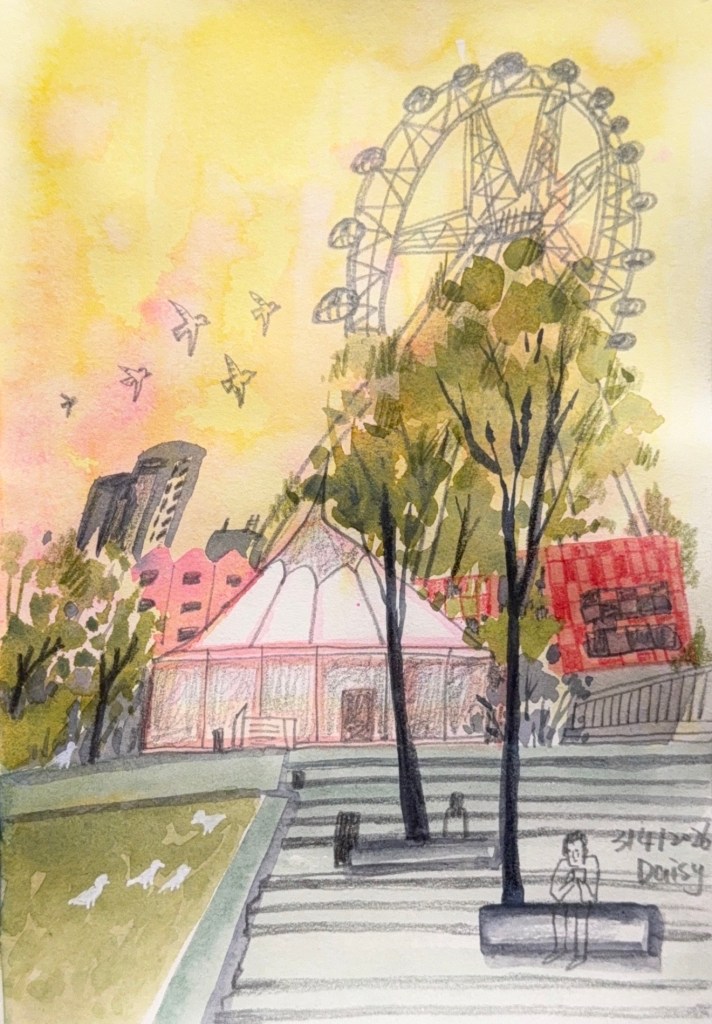
Hello everyone, I’m Daisy. Welcome to my channel. And we’re tackling a question every art lover wants to solve, but most people have no idea where to even begin: How do you develop your own art style?
In this passage, I’m going to break down why the real starting point of your personal style is actually much simpler than you think—it begins with choosing the art mediums that truly suit you.
If any of these sound familiar—You bought tons of art supplies but half of them are now collecting dust…You’ve taken multiple art classes but your style still feels unstable…Or you start doubting your talent halfway through a drawing…Then you really need to watch this video. I’m going to break down, through the lens of artistic medium how personal style actually forms.
1. Your art style doesn’t start from talent—it starts from your Medium
Many beginners, and even people who’ve been drawing for years, assume that personal style comes from “talent,” “a refined aesthetic,” or “professional training.” But here’s the truth: none of these create your style. There are many worldwide rural female artists.—women who grew up in rural areas only started making art in their 60s and 70s. They never received formal art education. Yet their work is recognized worldwide.
Is it because of “talent”?“Aesthetic taste”?“Professional training”?No. Today I want to share a secret about developing personal style: The real beginning of your Art style is the medium you choose—the medium, the track you decide to run on.
2. Medium: the physical foundation of your style
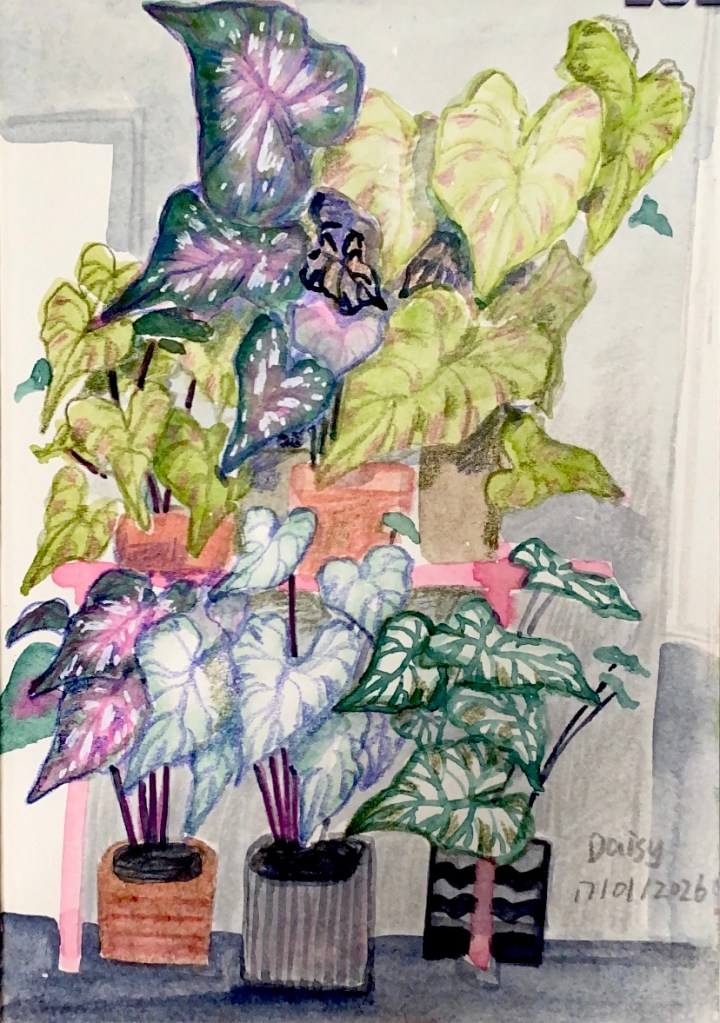
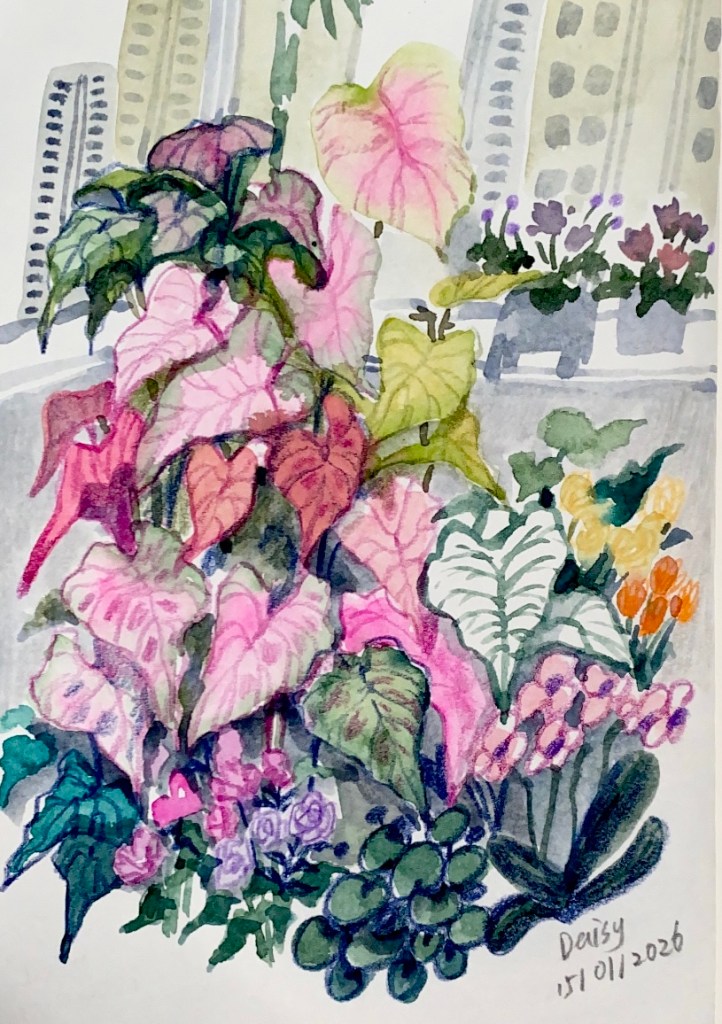
Every artistic style is built on the physical characteristics of the materials. This is the material origin of style. The graininess of graphite and charcoal, the fluid unpredictability of watercolor,
the sculptural thickness of oil and acrylic… Try this experiment:
- Draw the exact same line using a pencil, watercolor, and a marker.
They all look completely different. - Change the paper—from rough to smooth—and your entire texture changes.
- A flat brush and a round brush create totally different motions and marks.
- Watercolor will never achieve the thickness of oils, and oils can’t imitate watercolor’s lightness.
From paint to brushes to your preferred colors—your personal style grows directly out of your preferred medium.
Why do some people draw for ten years but still have no style?
Because they never commit to one particular Medium. Watercolor today, acrylic tomorrow, iPad next month…It looks like exploration, but in reality they’re stuck in an eternal beginner’s loop. It’s just like switching careers— Every time you change industries, the vocabulary, networks, workflow… all reset. There’s a saying: “Switch jobs, struggle for six months. Switch industries, struggle for three years.” That’s exactly what happens with art medium. If you keep changing mediums, your visual language resets over and over. No matter how long you’ve been drawing, if you haven’t stayed with one medium long enough to go deep, your style simply can’t emerge.
So, How to find the art medium that’s right for you?You can check the pinned comment below for my earlier video, where I shared how to find the art medium that truly suits you.
Or you can Ask yourself three questions:
1. Which tool makes you feel the happiest, most relaxed, and naturally immersed?
Choosing a medium is not about choosing difficulty—it’s about choosing excitement and flow. Your emotional response matters more than technical skill. If you pick up watercolor and suddenly don’t want to stop, or a marker makes you feel like you’ve unlocked a cheat code— that’s your track.
2. Which medium makes you feel you want to keep drawing for a month, three months, six months, a year, ten years?
Style comes from long-term accumulation. You need a medium you’re willing to commit to. What you can stay with consistently is what will eventually become your style.
3. Most importantly: what texture do you love the most?
Mediums are an external expression of personality.
- People who love pencils and colored pencils often enjoy grain, detail, and subtlety.
- Watercolor lovers tend to enjoy freedom, spontaneity, and transparency.
- Oil paint lovers usually appreciate depth, weight, and tradition.
- Those who gravitate toward Chinese ink painting often carry an affinity for Eastern aesthetics.
- Marker, technical pen, and iPad users often enjoy clarity, speed, and modernity.
When your personality aligns with the character of your medium, your style will naturally show up, no matter what you paint.
Lastly ,When you commit to a medium your art style appears automatically
You don’t need to force yourself to “become someone with a style.” If you stick to the same medium long enough: Your lines become consistent. Your color tendencies stabilize. Your recurring shapes and marks form a pattern. And your visual logic becomes recognizable.
These repeated decisions become your style. That is what makes your art uniquely yours.
I’m Daisy, helping you decode the deeper logic behind art and unlock your creative potential. If you enjoy this kind of content, feel free to like, subscribe, and leave a comment. You’re also welcome to share your own idea or experience about drawing or art below.
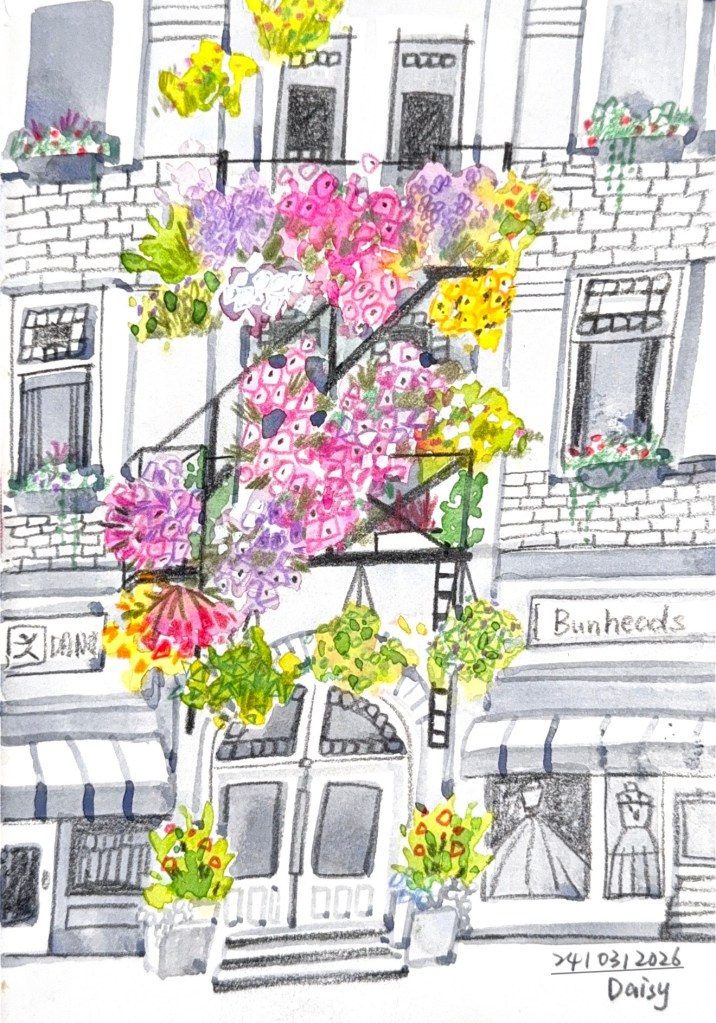
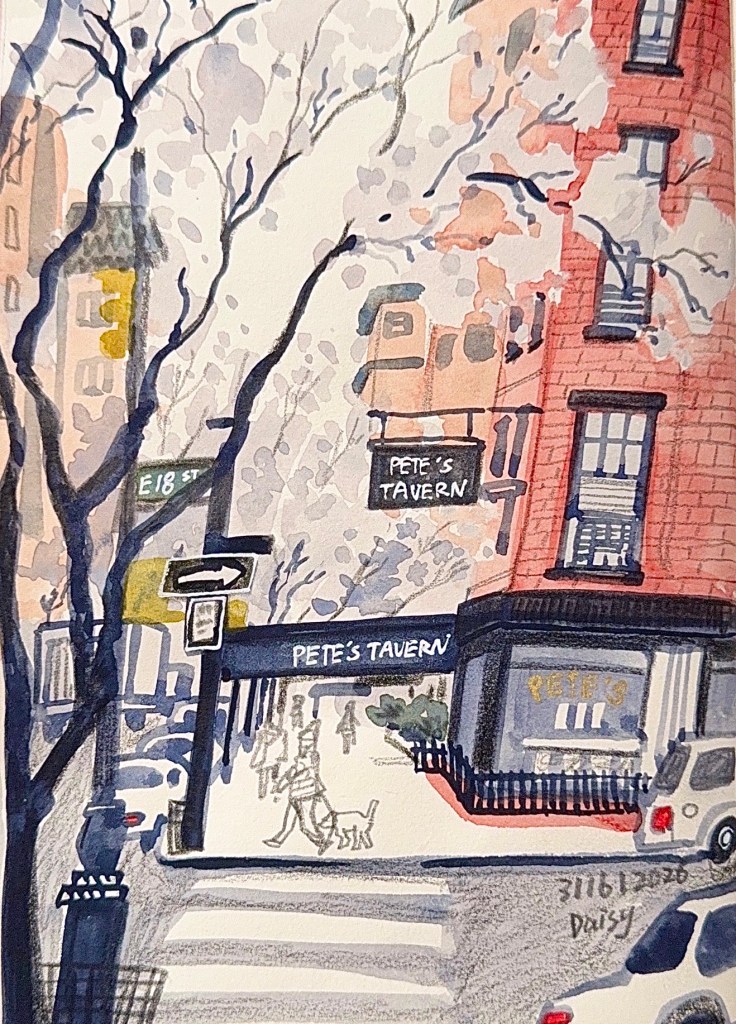
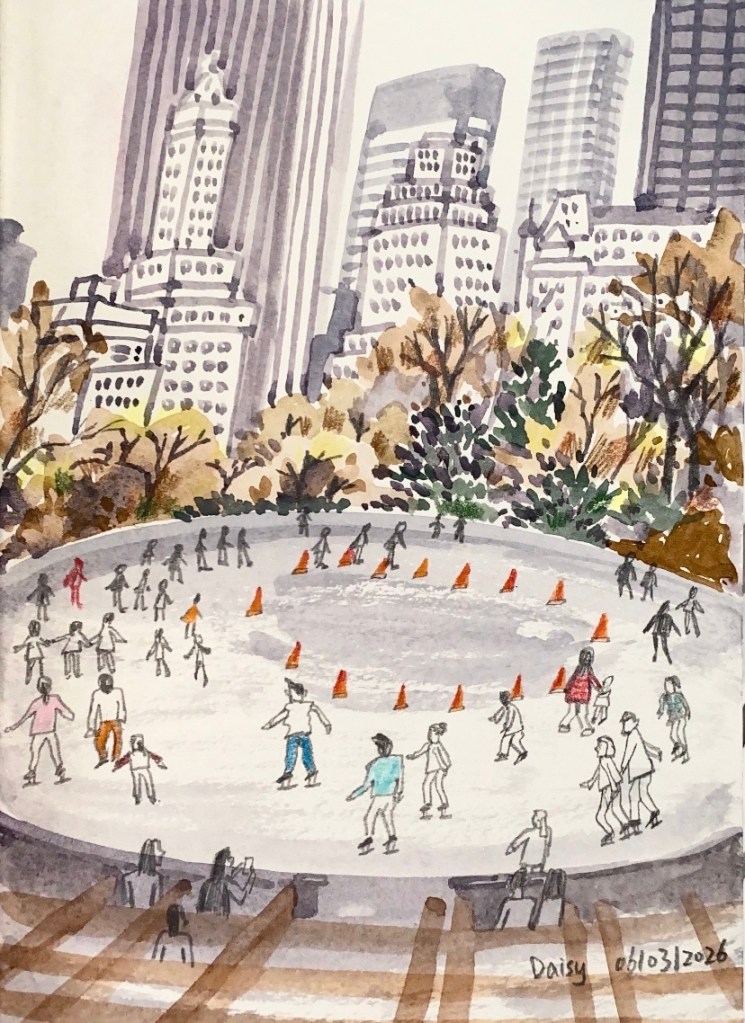
 Miss Daisy Drawing