A lot of people think a sketchbook is just for doodling or scribbling, but it is far more important than it seems.
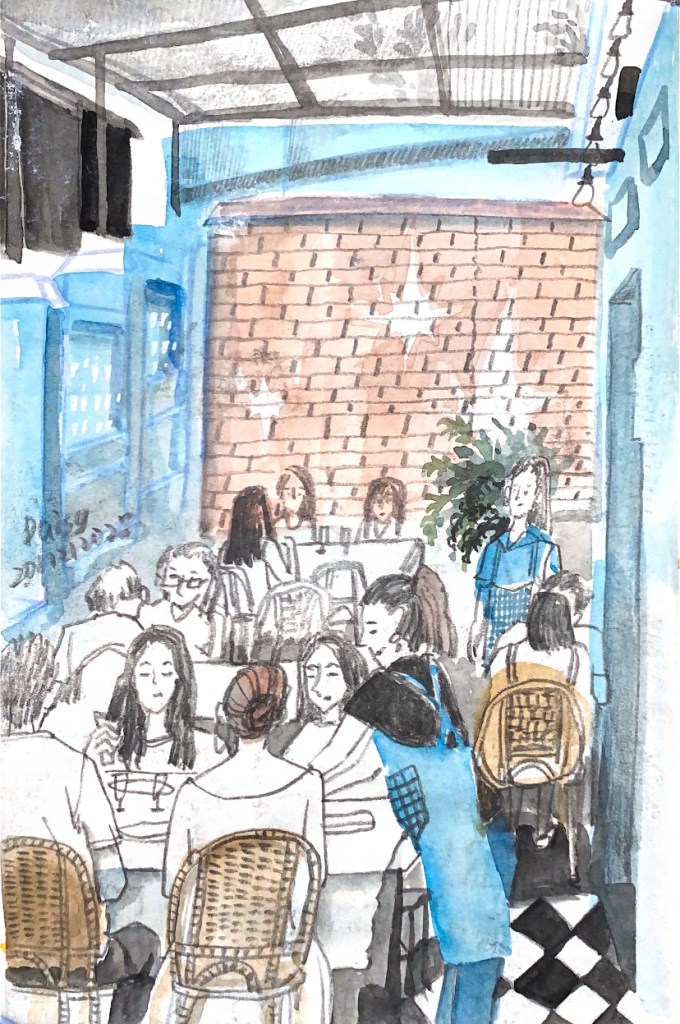
If painting is a form of expression, then a sketchbook is your truest, most unfiltered “visual diary.”
It is a place that accepts you without conditions. In your sketchbook, you can mess up, draw badly, get proportions wrong, make things look chaotic, or even draw something that looks nothing like what you intended. It won’t judge you. It won’t pressure you. It is like a gentle therapist that quietly receives everything you pour into it.
So what exactly does a sketchbook do for us?
First, it helps us record our lives.
As a “visual diary,” your sketchbook captures your daily ideas, moods, inspirations, and observations. Every stroke and every page carries your personal imprint. Over time, you’ll notice it reveals the parts of you that are hidden deep inside—pieces you may have never expressed before.
Second, it helps us overcome perfectionism.
In a sketchbook, you do not need to carry the burden of creating a beautiful, finished artwork. You can fail, experiment, play, and make mistakes. This freedom—free from rules and expectations—releases a tremendous amount of imagination and creativity that perfectionism often suppresses.
Third, it strengthens our observation and improves our skills.
Nothing trains your artistic abilities as comprehensively as sketching. A sketchbook is like practicing scales in music; the daily repetitions gradually help you understand and master the “notes” of drawing—line, structure, light, shadow, and color.You stop simply “seeing” and start “understanding”: Where is the light coming from? Why does the hand bend this way? Why does this composition feel balanced? How do these colors interact?Your eye becomes sharper, one sketch at a time.
And finally, it helps you discover your artistic style.
All the things you hesitate to try in a polished piece—different lines, quicker strokes, unusual compositions, new ideas—you can explore freely in your sketchbook. Over time, these spontaneous marks reveal your preferences, rhythms, and artistic temperament. This is where your style begins to take shape.
If you don’t have a sketchbook yet, you might be missing a space where you’re allowed to be imperfect.
If you already have one, give it more pages, more chances, more of your world.
As the new year begins, start a sketchbook for yourself. Fill it for a year, and see how much you transform from the first page to the last.
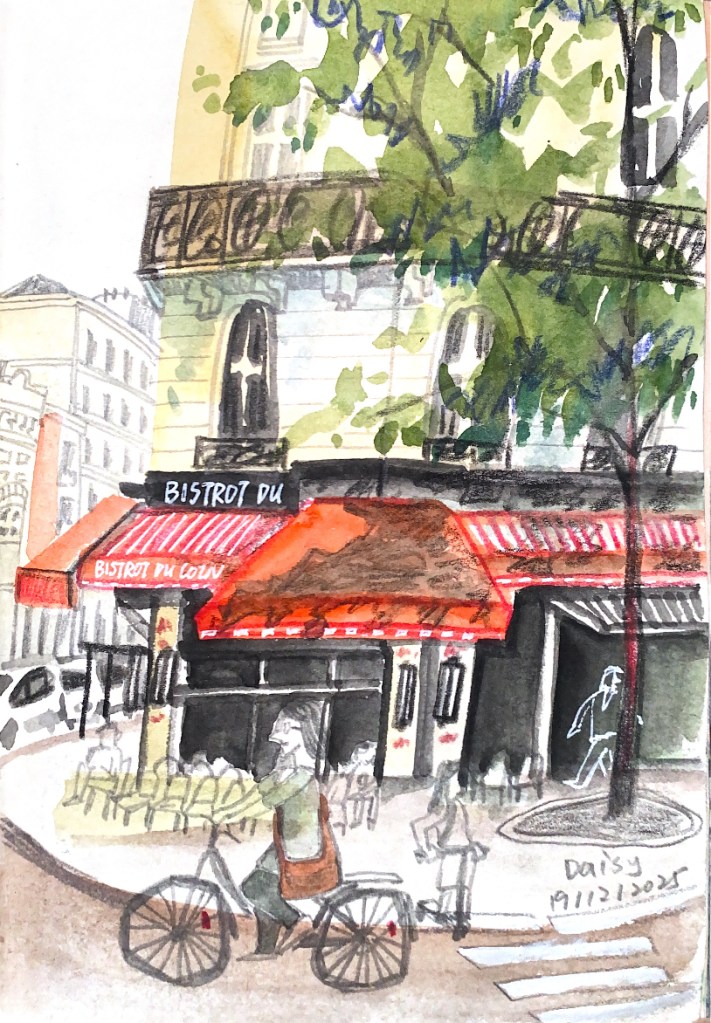
 Miss Daisy Drawing