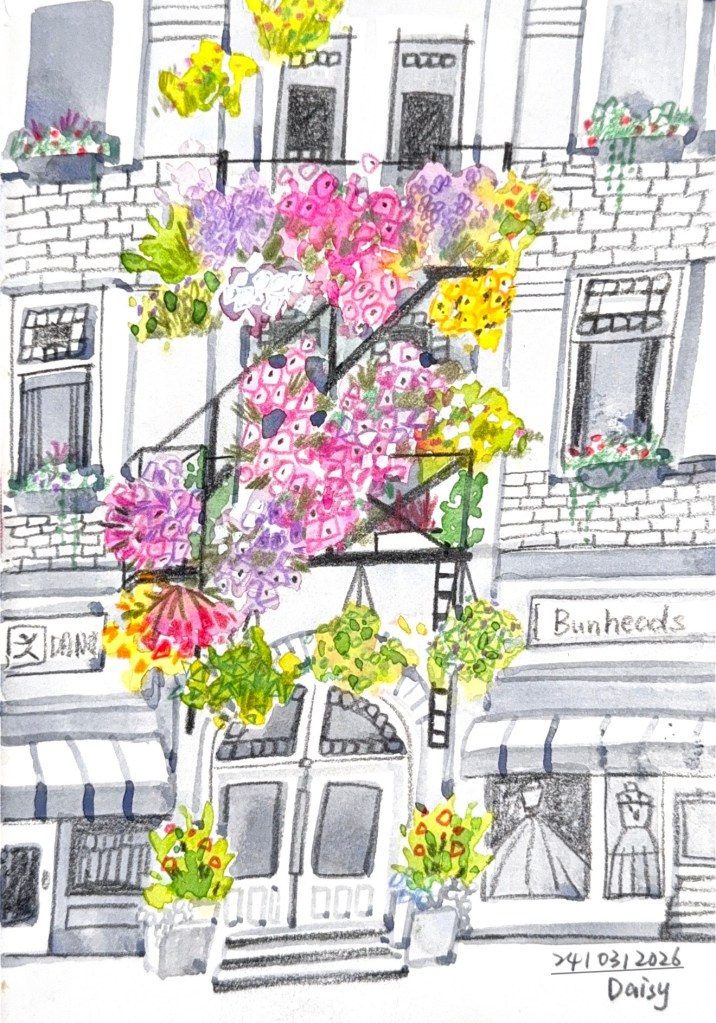
In my previous passages, I wrote about how to find your art style and medium. Today, I want to go a little deeper: How do you find your artistic theme — and even your path in life?
Have you ever had this experience? You pick up your pencils, watercolor whatever the medium is, ready to draw, and suddenly… you don’t know what to draw. You scroll through tons of reference pictures online, but then you start doubting yourself:
“This looks way too complicated… let me find another one.” “How am I supposed to draw this?”After searching for so long, you still can’t bring yourself to start, and eventually you just give up. Over time, your love for drawing — maybe even your talent — gets lost in hesitation and confusion. Sporadic sketches can’t form a real portfolio, and because you don’t see obvious progress, you start to label yourself: “Maybe I’m just not talented.” And slowly, drawing gets pushed into the corner of your life and forgotten.Years later, when you look at other people’s artwork, you’ll remember how much you once loved drawing — and regret that you didn’t stick with it.
If this sounds familiar, today I want to share a few ways to help you discover your own creative theme.
Why we get lost — in drawing and in life
Feeling lost in art is actually the same as feeling lost in life. And most people will experience it.
From early art classes, we were trained to wait for the teacher to give us a topic, and then we complete the task. Over time, this becomes a habit: Without someone assigning the theme, we don’t know what to draw.
And it’s not just art — our whole education system is built on “ready-made questions + one correct answer.” Through elementary, middle, and high school, everything follows a fixed path. But once we leave school, we suddenly stand in front of a huge blank space. We don’t know our direction, what we like, or where to go next. We look for a “stable destination,” but forget that:
Life has never been stable. Those so-called “stable places” are often just cages inside a much larger system. So whether it’s a blank canvas or a blank future, we need to learn to ask ourselves: What do I want to draw? How do I want to express myself? What kind of life do I want? And what steps will take me closer to it?
So how do you find your artistic theme?
1. When you don’t know what to draw, look back at what you’ve already created — without guidance, tasks, or expectations.
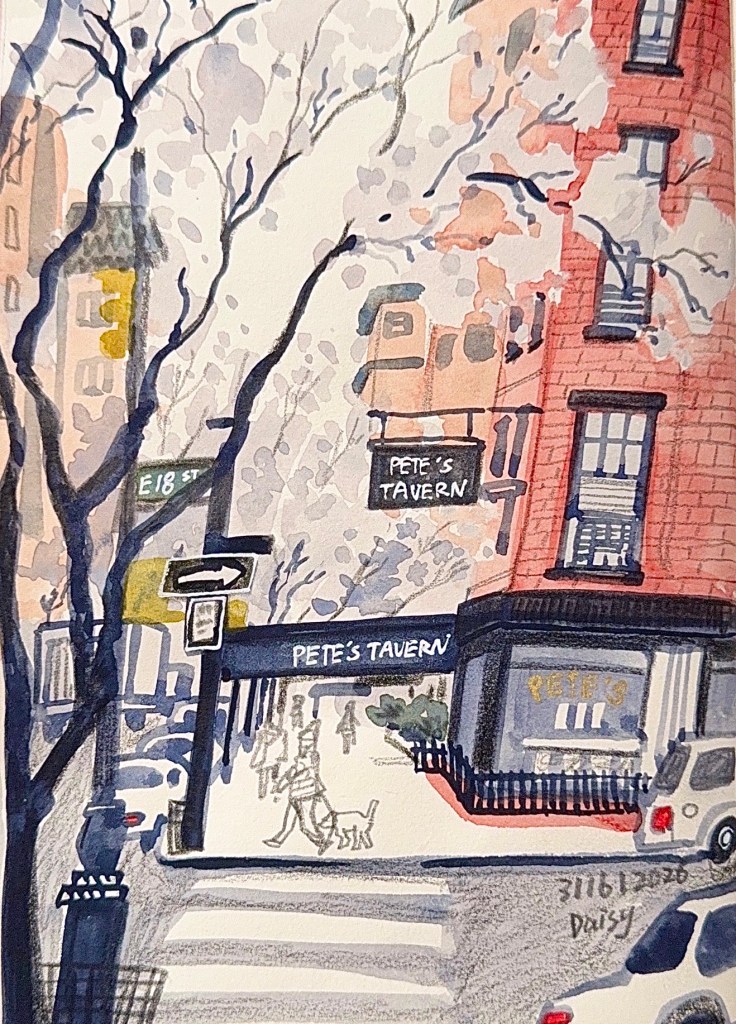
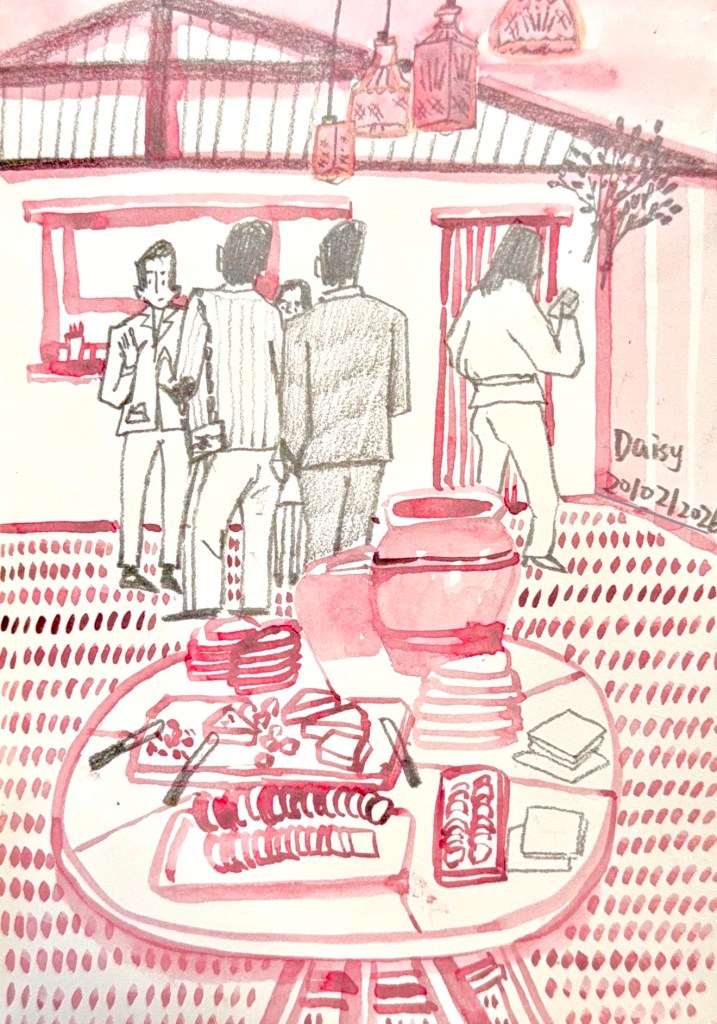
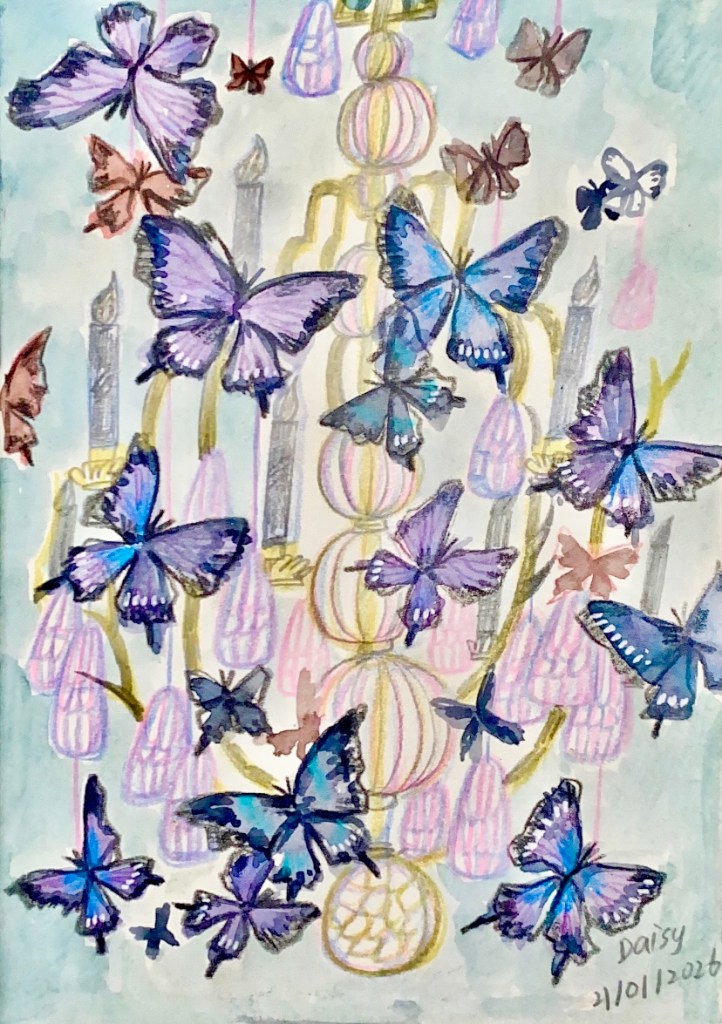
Look at the works you made simply because you wanted to — not homework, not assignments, not tasks given by others. Whether it’s ten pieces or a hundred, you’ll start to notice patterns: You’ve already been drawing similar things again and again.
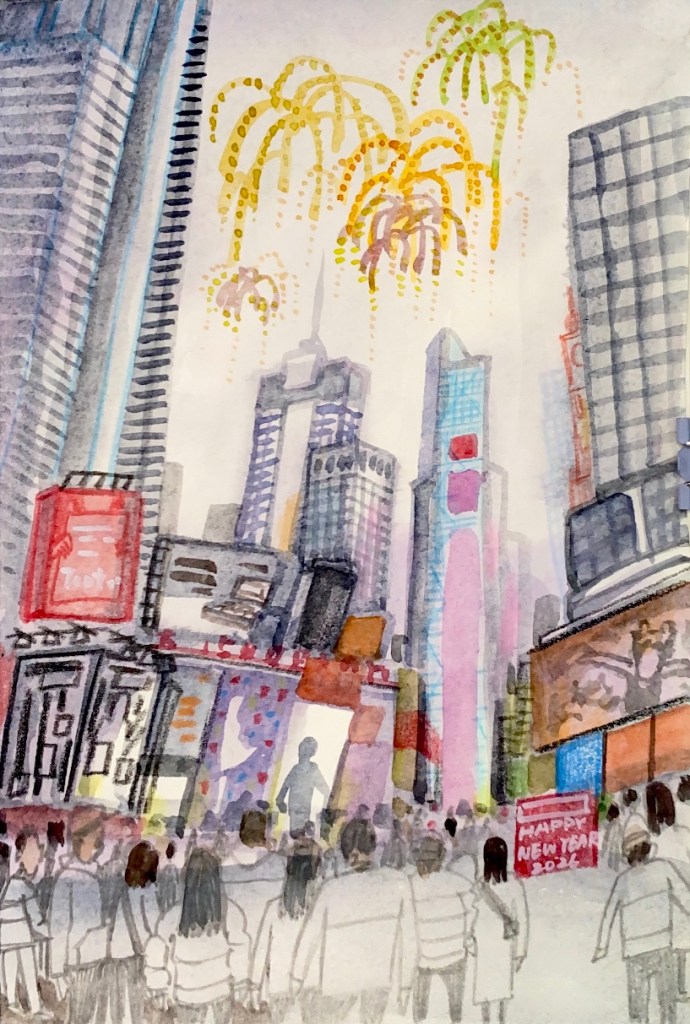
Maybe it’s portraits, beautiful faces, outfits you love, bright flowers, plants of all kinds, bustling city lights, or pieces from your daily life. These pieces are messages from your subconscious. They reveal what truly moves you. And if you think about it, those themes can even hint at what kind of career you might want.
I studied management in university back then, not art. Near graduation, I was extremely lost, until I asked a retired mentor for advice. She told me, “If you don’t know what you want to do, think about what you loved as a child.”
I realized I loved drawing and making things with my hands. So I gradually picked up art again. After working for few years, I returned to school, earned a master’s degree in Fine Art, and turned my passion into my career.
2. Record your life — especially the things you care about
There will always be something in life that touches you. Some people love clothing and styling. Some love cars, machines, and industrial aesthetics. Some love traveling and exploring cultures. Some love the atmosphere of local markets. Some love movie characters and cinematic worlds.
Write them down. Photograph them. The things that appear repeatedly in your words or photos — that’s your creative theme. Drawing, writing, and music all ask the same question: “What moved me today?”
When you keep creating based on what moves you, your work will naturally form a system, your style will gradually appear, and eventually — your voice emerges.
3. Don’t be afraid of trial and error, and don’t rush to define your theme
Your creative theme isn’t something you suddenly decide one day. And it will not stay the same forever. People grow. Experiences accumulate. And your theme evolves with you — that’s the normal state of life. Sometimes we set goals that are too big or too rigid. When we can’t reach them, we begin to doubt ourselves. But the truth is: Change is the only constant.
Your artistic theme will shift as you grow, because you are constantly changing. Maybe when you’re young you love city lights and new experiences. Later, you may prefer quiet, solitude, and deeper, more abstract expression.
No one discovers their theme or ideal life in an instant. When we see others succeed, we forget that the moment we see is often the result of decades of preparation. As the saying goes: “One minute on stage takes ten years of work off stage.”
Your theme — and your ideal life — will slowly reveal themselves. through creating, experiencing, exploring, and making mistakes.
To summarize — how to find your creative theme
1. Look back at your past unassigned creations — your subconscious has already given you clues. 2. Record the things you care about — start with what repeats and what you’re good at. 3. Accept that change is normal — don’t judge yourself for shifting interests; explore boldly and embrace change.
I’m Daisy, someone who loves art and loves sharing it. If you enjoyed this kind of content, feel free to like, follow, and leave a comment. And you’re welcome to share your thoughts about art below. 🎨✨
 Miss Daisy Drawing