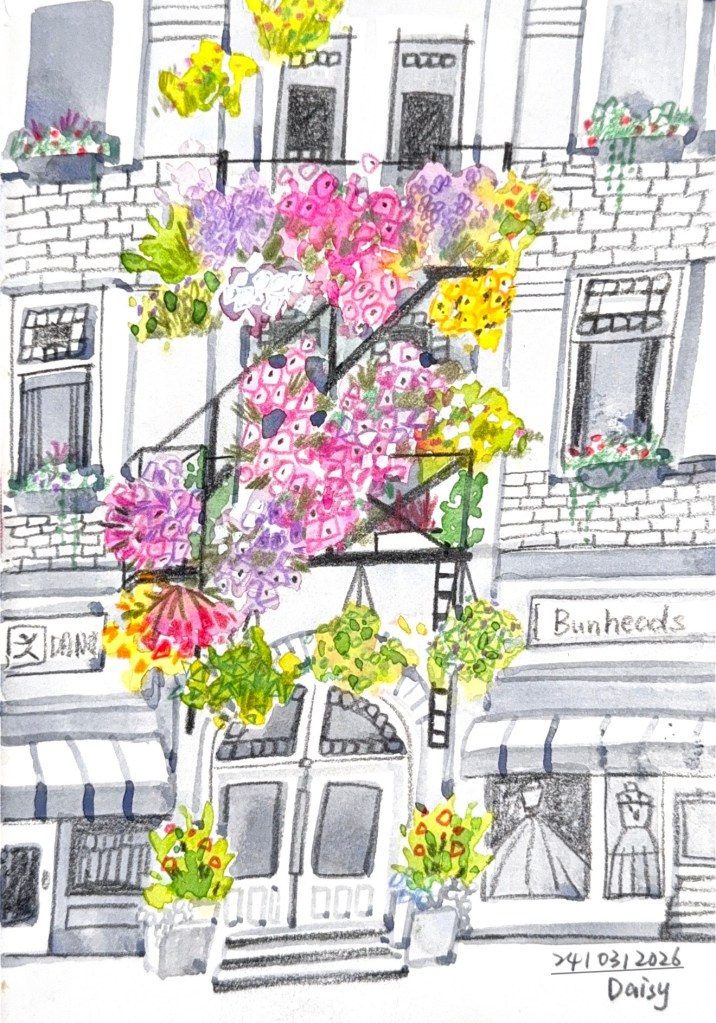
Tag: sketchbook

  • What Art Teaches Us That School Never Will

    There’s a common belief that studying art is a waste of time. Have you ever heard someone say, ‘Studying art is useless? In the end, you’ll only be teaching it to others in a training class’? I started a bachelor’s degree in management and then a master’s in fine arts, and along the way, I discovered some deep truths about art that no one ever talks about.

    I’m not trying to change your opinion about art; I just hope that by reading this, you can discover the meaning of learning art for yourself.

    First, most people don’t realize—and textbooks will never tell us—that painting and art have actually supported the development of modern society. I don’t want to repeat the usual phrases like “art improves your aesthetic sense” or “enhances your observation skills.” I want to show you how artistic movements, sometimes seeming far removed from daily life, have repeatedly driven societal change, influenced technology, design, and thought, and even shaped the course of human civilization.

    Did you know?

    160 years ago Impressionism opened up modern visual language and changed the way people see the world. By introducing the concept of “fleeting light and color,” Impressionists transformed how we experience painting—it’s not just about realism anymore, it’s about feeling. This shift influenced photography, film cinematography, advertising, and lighting design.

    100 years ago The Bauhaus movement in Germany emphasis on functionalism, minimalism, and geometric forms shaped industrial product design, furniture, architecture, and even city planning. The objects we use every day, our homes, and our modern sense of aesthetics all owe a lot to this movement.

    70 years ago Pop Art brought elite art into everyday life, creating mass culture and a visual language for the consumer age. Andy Warhol and Pop Art brought commercial visuals into the art world, influencing advertising, packaging, and popular culture—and shaping the era of brands and consumerism.

    Think about it: the choices we make in daily life—our phones, furniture, cars, appliances, clothing, even product packaging—are all influenced, consciously or unconsciously, by these artistic movements. If you want to understand how modern art has shaped human society, you could fill a whole book and still barely scratch the surface.

    Second, no other subject teaches you to challenge authority and create your own language like painting does. Many people who haven’t studied art assume, “Painting is just making something look like the real thing.” But this idea was overturned over 200 years ago. Modern art is no longer about replication—it’s a tool for questioning rules, breaking conventions, and inventing new forms of expression.

    Francis Bacon once wrote in The Advancement of Learning:

    “History makes a man wise; poetry makes him witty; mathematics makes him precise; natural philosophy makes him deep; ethical studies make him grave; and logic and rhetoric make him able to contend.”

    Today, painting gives us the space to challenge authority visually and create new languages. If most school subjects teach standardized answers and demand conformity, painting does the opposite—it allows you to be different, and you will never be the same as anyone else.

    People often criticize art because they’re used to uniformity and afraid of individuality.

    Third, art is a medium for self-exploration and emotional expression.

    I often say that painting isn’t just a professional art—it’s also a kind of play, and even a form of therapy. When we paint, it helps us ease anxiety, calm our worries, and release stress. Painting isn’t just about technique; it’s a way to explore ourselves.

    Especially in today’s fast-paced, technology-driven world, where anyone could face uncertainty or job instability, scrolling through videos or chasing consumerism isn’t enough—we need a way to process and soothe our emotions. Painting satisfies our creative urges, goes beyond pure utilitarianism and Materialism provides deep spiritual fulfillment. It’s an essential part of the human experience, making our life richer, meaningful, and more human.

    If you haven’t yet experienced these three incredible aspects of painting, now is the perfect time to discover the true magic of art.

    I Hope you find this content helpful. If you enjoy my content, feel free to like, subscribe, and leave a comment. You’re also welcome to share your own thoughts on art in the comment section.

  • 3 Practical Tips to Select Your Ideal Art Medium

    In my last content, How to Discover Your Unique Artistic Style I talked about how to find your own artistic style. Today, I want to continue that conversation and tackle a challenge almost every art lover faces: How do you choose the right art medium for yourself?

    Many art lovers switch mediums every once for a while. You spend some time with acrylics, then fall in love with watercolor. You practice watercolor for a while, then suddenly the iPad looks very tempting. This constant switching can become one of the biggest obstacles to developing a stable and recognizable artistic style.

    And this isn’t just a beginner problem. Even trained art students experience this.
    Oil painters fall in love with the texture of ink. Watercolor students discover printmaking and never look back. Switching mediums isn’t wrong. In fact, choosing your medium is a journey of self-understanding.

    Your personality, your temperament, and your preferences—all of these are hidden in the style you are about to create. 

    So today, I want to share three practical methods to help you choose a medium that truly fits you.

    First. Explore widely before you decide.

    Do not judge yourself “I’m not good at it” before you’ve even tried. The sensory experience each medium gives you is the most honest indicator of whether it fits you.

    Spend some time exploring different mediums: graphite, colored pencils, watercolor, markers, oil pastels, acrylic, soft pastels, ink—anything you can find.

    Pay attention to the experience: the bold colors of acrylic, the fluid unpredictability of watercolor, the tactile texture of graphite, the soft, dreamy feel of pastels. 

    Try them systematically, and document how each one makes you feel. After exploring, choose the medium that creates effects you love and one you naturally handle well.

    Second. Start with the medium you feel most comfortable with.

    Your medium doesn’t have to be expensive or trendy. It just needs to be something you can easily pick up every day—a pencil, a basic watercolor set, or acrylic on canvas.

    The more familiar you become with your medium, the easier it is to stay consistent. And consistency—not expensive supplies—is what separates amateurs from artists.

    Growth comes from steady practice, reflection, and understanding the materials in your hands.

    Lastly. iPad drawing is an extension—not a replacement.

    Digital drawing is powerful. It combines the expressive possibilities of traditional mediums with modern convenience. But for beginners, the endless options—brushes, textures, layers—can be overwhelming.

    And no matter how advanced digital tools are, they cannot fully replace the tactile, physical textures of traditional mediums.

    So if you’re new to drawing, or if you want to build a unique artistic voice, traditional mediums remain the best training ground.

    I often find connections between drawing and life—how they influence and mirror each other. I hope sharing these reflections can inspire you and your own creative journey.

  • Lost Your Passion for Drawing? 

    A lot of people believe that the joy of drawing comes from “being good at it.” But the truth is the opposite. The more we chase perfection, the more we try to prove ourselves, the heavier drawing becomes. We compare ourselves to professional artists and illustrators, and the moment our work looks “off” or “not good enough,” we start questioning everything—our talent, our potential, even whether we should keep drawing at all.

    This mindset shows up not only in art, but also whenever we try something new. So today, I want to share how you can truly rediscover the joy of drawing—how to start anything with zero pressure and learn to enjoy the process again.

    First, you need to allow yourself to “draw badly.” Allow yourself to make mistakes. It sounds simple, but for most of us, it’s incredibly difficult. Especially in our culture, where school, family, and society don’t really give us room to fail. Many of us grow up walking a path that seems to demand “the correct answer” in everything we do, but that path is often filled with pressure and anxiety.

    But drawing isn’t just a professional skill. It’s also a game, a visual exploration, a way to enter a flow state, and even a form of therapy. That’s why you need to “demystify” drawing—or anything else you want to pursue. You’re not facing a monster. You’re facing a gentle little rabbit.

    Second, put aside the grand goal of finishing a large, polished, complex artwork. Start with the smallest possible action. Sketch what’s around you—draw a tree, a cup, a wash of watercolor, or even just a few lines. None of these need to become finished pieces. These tiny practices remind you that sometimes starting matters more than finishing.

    Third, treat drawing like an adventure—a treasure hunt. Maybe you’ve had phases when you drew mindlessly, constantly producing work but never improving. That’s because you weren’t exploring. Exploration means asking: Which colors feel most harmonious together? How do you paint the glow light in the night time? How do different leaves behave on different trees? What colors define autumn leaves? How do you paint winter snow? Does every object has to be its original color?

    Exploration comes with failures, but also surprises. And trust me—you’ll be amazed and proud of the unique effects you discover on your own.

    And isn’t life itself an adventure as well? Give yourself more patience. Anything you love is worth exploring again and again.

    When you let go of judgment, comparison, and the pressure to “be good,” you’ll realize something: the joy of drawing never disappeared. Beyond the roles and responsibilities that society and family place on us, life still holds countless sources of meaning and joy waiting for us to unlock. They were simply hidden behind all the pressure.

    What you need now is just a little space for yourself each day—enough for drawing to illuminate your life again.

    If you enjoy my content, feel free to like, subscribe, and leave a comment. You’re also welcome to share your own thoughts on art in the comment section.

    I’m Daisy, a storyteller who records and shares art. I hope my words and drawings inspire your own creative journey.

  • Why Your Sketchbook is More Than Just a Doodle Pad

    A lot of people think a sketchbook is just for doodling or scribbling, but it is far more important than it seems.


    If painting is a form of expression, then a sketchbook is your truest, most unfiltered “visual diary.”

    It is a place that accepts you without conditions. In your sketchbook, you can mess up, draw badly, get proportions wrong, make things look chaotic, or even draw something that looks nothing like what you intended. It won’t judge you. It won’t pressure you. It is like a gentle therapist that quietly receives everything you pour into it.

    So what exactly does a sketchbook do for us?

    First, it helps us record our lives.


    As a “visual diary,” your sketchbook captures your daily ideas, moods, inspirations, and observations. Every stroke and every page carries your personal imprint. Over time, you’ll notice it reveals the parts of you that are hidden deep inside—pieces you may have never expressed before.

    Second, it helps us overcome perfectionism.


    In a sketchbook, you do not need to carry the burden of creating a beautiful, finished artwork. You can fail, experiment, play, and make mistakes. This freedom—free from rules and expectations—releases a tremendous amount of imagination and creativity that perfectionism often suppresses.

    Third, it strengthens our observation and improves our skills.


    Nothing trains your artistic abilities as comprehensively as sketching. A sketchbook is like practicing scales in music; the daily repetitions gradually help you understand and master the “notes” of drawing—line, structure, light, shadow, and color.You stop simply “seeing” and start “understanding”: Where is the light coming from? Why does the hand bend this way? Why does this composition feel balanced? How do these colors interact?Your eye becomes sharper, one sketch at a time.

    And finally, it helps you discover your artistic style.


    All the things you hesitate to try in a polished piece—different lines, quicker strokes, unusual compositions, new ideas—you can explore freely in your sketchbook. Over time, these spontaneous marks reveal your preferences, rhythms, and artistic temperament. This is where your style begins to take shape.

    If you don’t have a sketchbook yet, you might be missing a space where you’re allowed to be imperfect.


    If you already have one, give it more pages, more chances, more of your world.


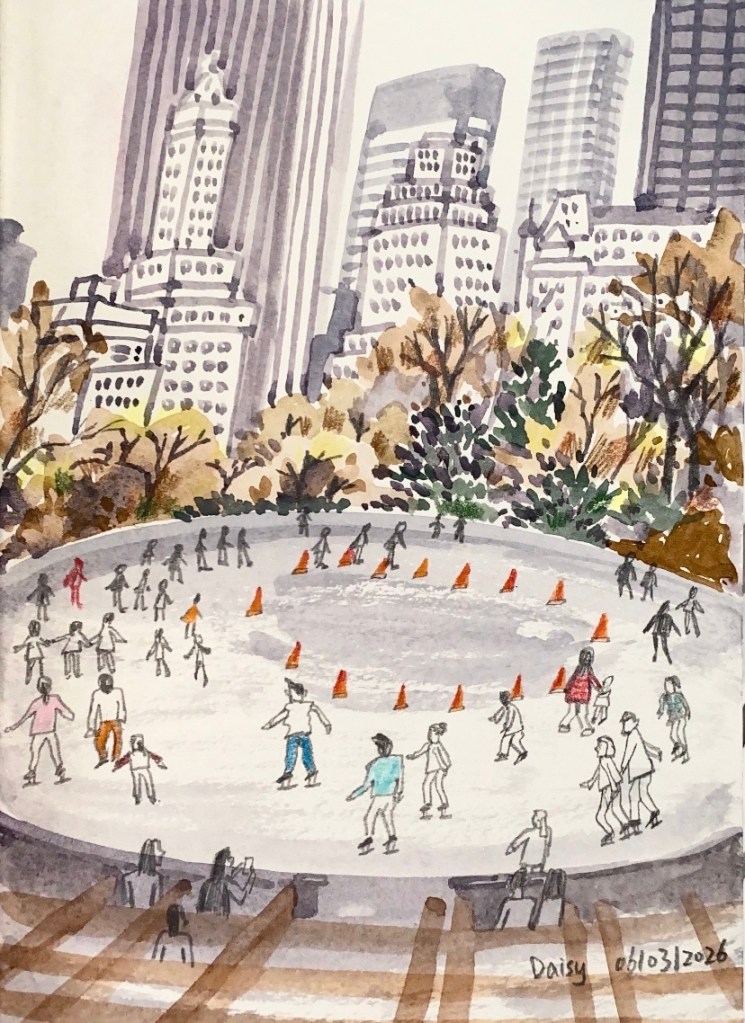
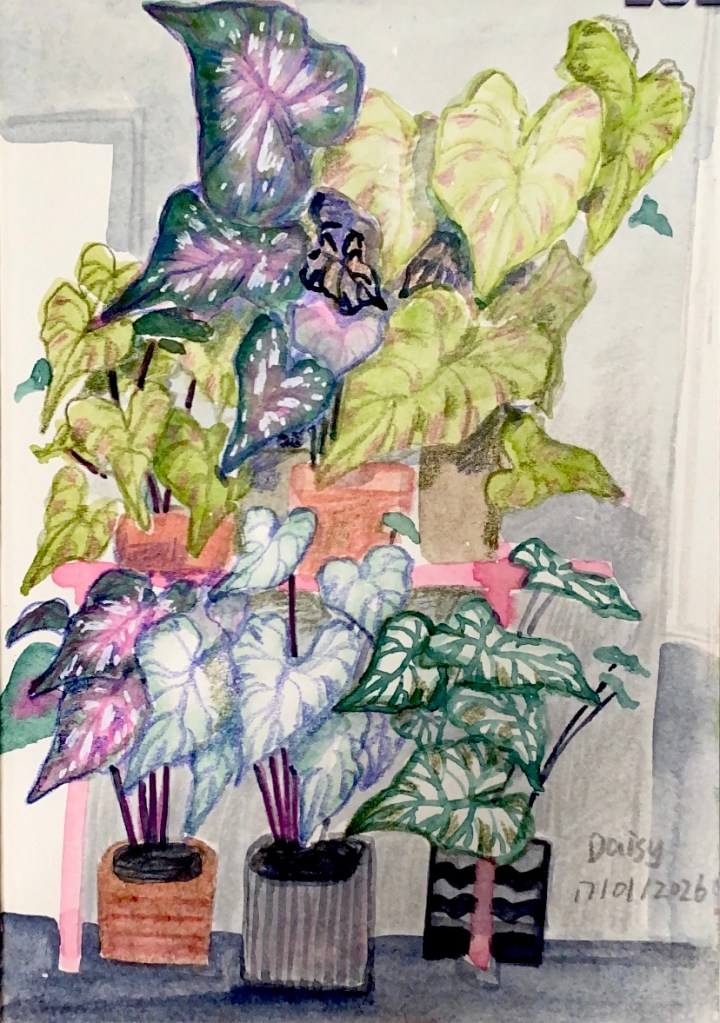
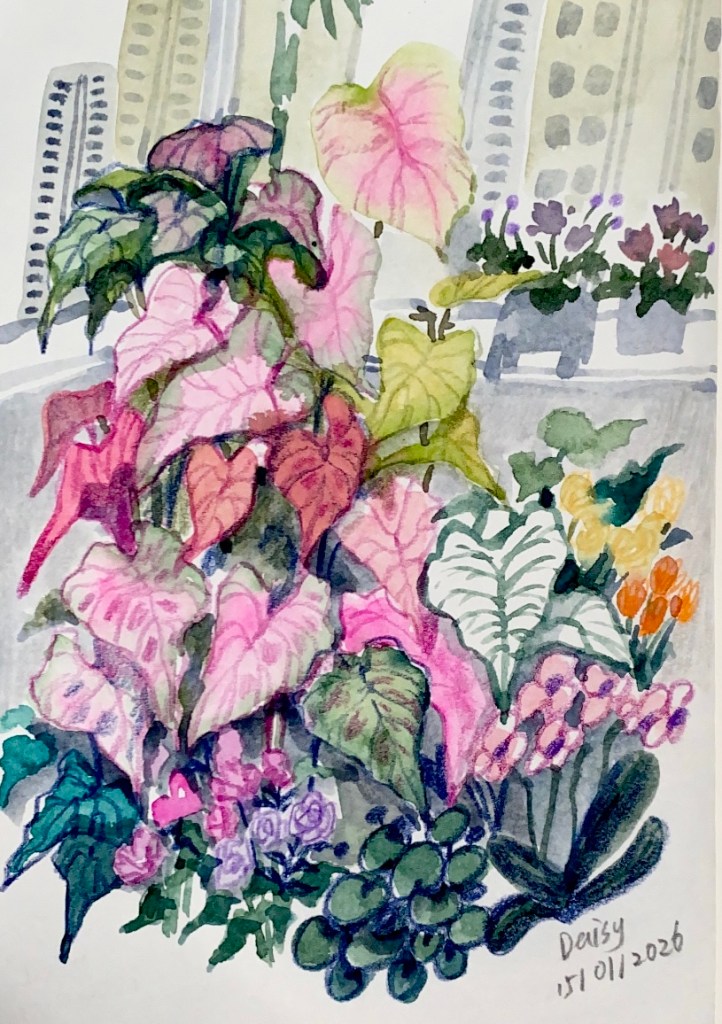
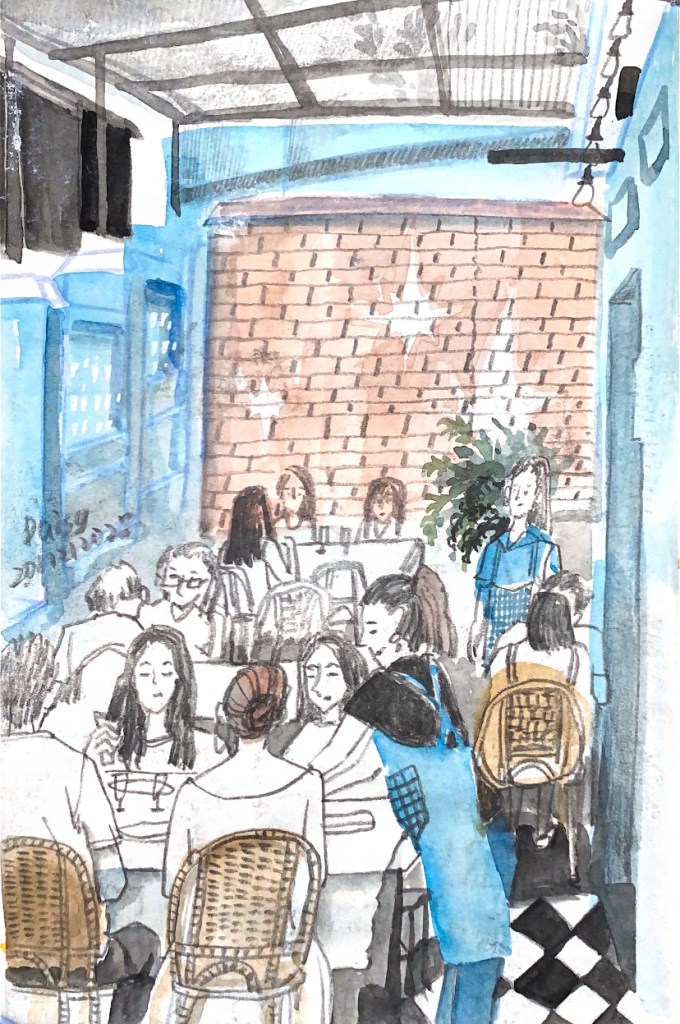
    As the new year begins, start a sketchbook for yourself. Fill it for a year, and see how much you transform from the first page to the last.