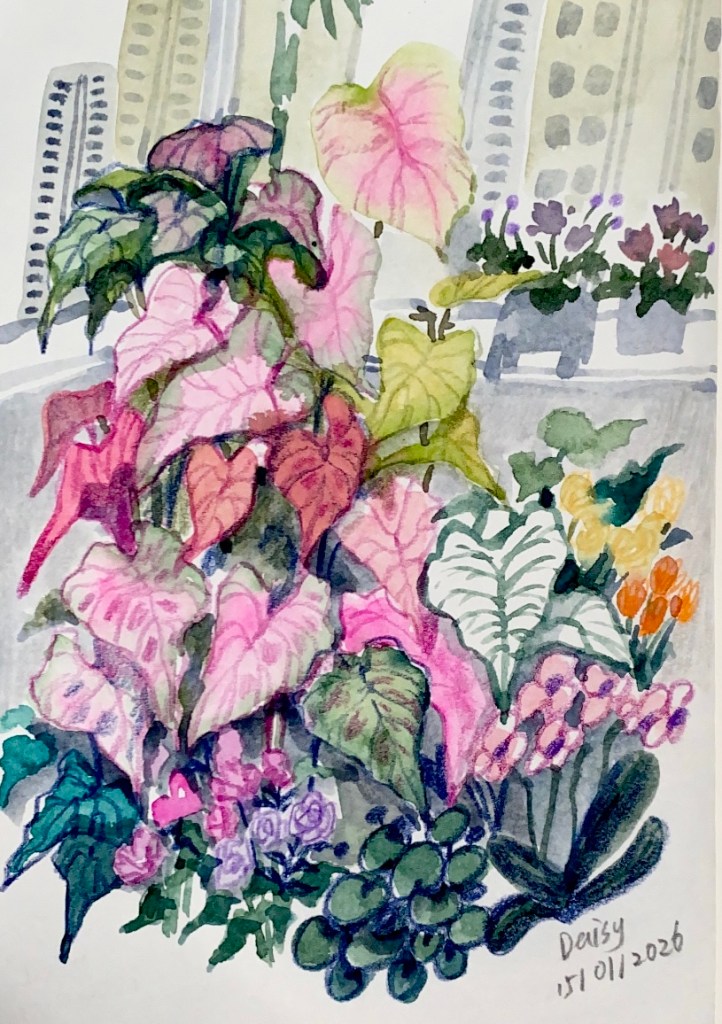
In my last content, How to Discover Your Unique Artistic Style I talked about how to find your own artistic style. Today, I want to continue that conversation and tackle a challenge almost every art lover faces: How do you choose the right art medium for yourself?
Many art lovers switch mediums every once for a while. You spend some time with acrylics, then fall in love with watercolor. You practice watercolor for a while, then suddenly the iPad looks very tempting. This constant switching can become one of the biggest obstacles to developing a stable and recognizable artistic style.
And this isn’t just a beginner problem. Even trained art students experience this.
Oil painters fall in love with the texture of ink. Watercolor students discover printmaking and never look back. Switching mediums isn’t wrong. In fact, choosing your medium is a journey of self-understanding.
Your personality, your temperament, and your preferences—all of these are hidden in the style you are about to create.
So today, I want to share three practical methods to help you choose a medium that truly fits you.
First. Explore widely before you decide.
Do not judge yourself “I’m not good at it” before you’ve even tried. The sensory experience each medium gives you is the most honest indicator of whether it fits you.
Spend some time exploring different mediums: graphite, colored pencils, watercolor, markers, oil pastels, acrylic, soft pastels, ink—anything you can find.
Pay attention to the experience: the bold colors of acrylic, the fluid unpredictability of watercolor, the tactile texture of graphite, the soft, dreamy feel of pastels.
Try them systematically, and document how each one makes you feel. After exploring, choose the medium that creates effects you love and one you naturally handle well.
Second. Start with the medium you feel most comfortable with.
Your medium doesn’t have to be expensive or trendy. It just needs to be something you can easily pick up every day—a pencil, a basic watercolor set, or acrylic on canvas.
The more familiar you become with your medium, the easier it is to stay consistent. And consistency—not expensive supplies—is what separates amateurs from artists.
Growth comes from steady practice, reflection, and understanding the materials in your hands.
Lastly. iPad drawing is an extension—not a replacement.
Digital drawing is powerful. It combines the expressive possibilities of traditional mediums with modern convenience. But for beginners, the endless options—brushes, textures, layers—can be overwhelming.
And no matter how advanced digital tools are, they cannot fully replace the tactile, physical textures of traditional mediums.
So if you’re new to drawing, or if you want to build a unique artistic voice, traditional mediums remain the best training ground.
I often find connections between drawing and life—how they influence and mirror each other. I hope sharing these reflections can inspire you and your own creative journey.


 Miss Daisy Drawing
Leave a comment